
 Medically Reviewed
Written by Pooja Rawat, Medical Content Writer
Posted On: 15 Jul 2026, Updated On: 21 Aug 2026
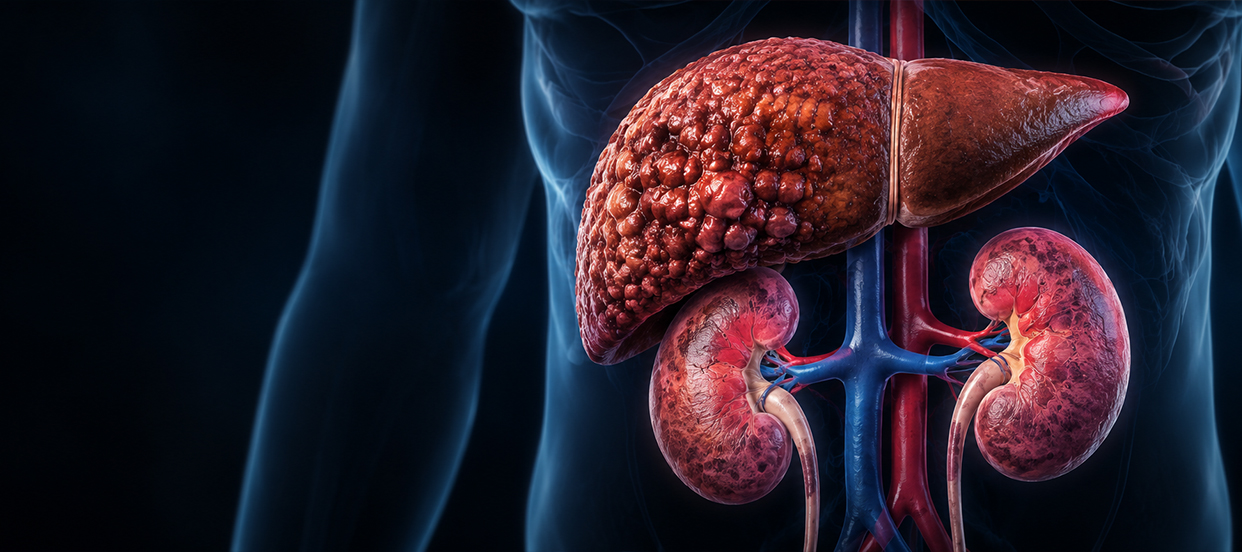
The kidney liver connection is often underestimated. Liver problems such as fatty liver, cirrhosis, and hepatitis can affect kidney function and reduce its detoxifying capacity. Knowing the relationship between the liver and kidney can help you understand the early signs and symptoms, maintain a healthy lifestyle, and get timely treatment. We will discuss the connection between the liver and kidney, warning signs, tests, diet, and prevention.
Read Also: Normal Liver Size in CM, MM, and Inches
The liver and kidneys are two vital organs that control the body’s homeostasis. The liver filters the blood, breaks down nutrients, synthesizes hormones and enzymes, and removes toxins. The kidneys clean the blood, remove wastes and excess fluids, and balance electrolytes.
If the liver is diseased, the circulation of blood, inflammation, and toxins can damage the kidneys. That is why caring for the liver and kidneys is essential.
Read Also: Liv 52 for Liver Health: Uses, Side Effects, Research & Safety Review (2026)
Chronic liver disease can affect kidney function in several ways:
Severe liver problems can reduce blood circulation, making it difficult for the kidneys to receive the proper blood supply.
The liver filters out toxins in the body. If it is not functioning correctly, poisonous substances can accumulate in the body and damage the kidneys.
Hepatorenal syndrome is a severe kidney problem that occurs when the liver is failing. The condition requires immediate medical attention.
The liver regulates fluid levels and electrolytes in the body. If it is diseased, there is a high chance of developing fluid retention, edema, and electrolyte imbalance. These complications can damage the kidneys.
Understanding the kidney liver connection can help you care for both organs. For instance, if you have symptoms affecting the kidneys and liver, you should seek medical advice to get tested and start treatment.
The most common symptoms of liver kidney disease include:
These symptoms are not always a clear indication of liver kidney disease. However, if you have most of them, you should consult a doctor and request a kidney liver function test.
Read Also: Understanding Food Choices and the Fatty Liver Diet: What to Eat and Avoid?
A kidney liver function test is a routine procedure that helps doctors determine how well the liver and kidneys are working. The test measures:
The kidney liver function test is recommended for people with diabetes, high blood pressure, obesity, liver disease, and those taking certain medications.
Read Also: Benefits Of Drinking Hot Lemon Water For Fatty Liver
A liver and kidney function test is a comprehensive assessment that shows the level of liver enzymes, bilirubin, albumin, electrolytes, and other indicators. The test can also show if the liver is inflamed, the level of fluid retention, and how well the kidneys eliminate wastes and toxins.
Doctors typically recommend a liver and kidney function test as part of the routine medical examination for people at risk of developing liver or kidney disease.
The main difference between the liver and kidney is their function. The liver breaks down nutrients, stores energy, produces enzymes and hormones, and detoxifies the body. The kidneys, on the other hand, filter the blood, remove wastes and excess fluids from the body, and regulate fluid balance.
There is no scientific evidence that liver kidney detox products help. Instead, you should invest in a healthy lifestyle to keep your liver and kidneys healthy. For instance, you should:
A natural detox is done by the liver and kidneys. As long as they are healthy, you do not need detox products.
Many patients ask what foods help repair kidneys and liver. While there are no magic foods that can heal the liver and kidneys, a healthy diet can promote healing and prevent further damage. For instance, you should add the following foods to your diet:
If you are wondering what foods help repair kidneys and liver, consult a doctor or a dietician. They will recommend the best diet that supports the healing process.
Selecting the right food for healthy kidney and liver is essential for maintaining good health. The following dietary guidelines are recommended:
A healthy diet is the best food for healthy kidney and liver.
Many foods are good for the liver and kidney. Some of the best include:
A healthy diet is essential for the kidneys and liver. Choosing the right food for healthy kidney and liver is vital for your overall health.
The best way to prevent kidney and liver disease is to adopt a healthy lifestyle. For instance, you should:
Early diagnosis and treatment can prevent kidney and liver disease. That is why it is essential to get tested and seek medical advice if you have symptoms affecting the kidneys and liver.
The kidney liver connection shows that you should not ignore liver disease because it can affect the kidneys. Knowing the symptoms and getting tested is the best way to detect liver kidney disease early and get treatment. Maintaining a healthy lifestyle, eating a balanced diet, and visiting your doctor for regular checkups can help you prevent liver and kidney disease.
Q1: Can liver disease permanently damage the kidneys?
A: Yes, liver disease can permanently damage the kidneys. That is why it is essential to get timely treatment if you have symptoms affecting the liver.
Q2: How often should I get a liver and kidney function test?
A: People with diabetes, high blood pressure, liver disease, or kidney disease should get a liver and kidney function test regularly as recommended by their doctor.
Q3: Are liver kidney detox supplements safe?
A: Most liver kidney detox supplements are not proven to be safe and effective. It is best to consult your doctor before taking any supplements.
Q4: What foods help repair kidneys and liver?
A: Foods such as fruits, vegetables, whole grains, healthy fats, and lean proteins can help repair and maintain healthy kidneys and liver.
Q5: What is the main difference between liver and kidney function?
A: The liver is responsible for processing nutrients and detoxifying the body, while the kidneys filter the blood, remove wastes, and regulate fluid balance.

Consultant & Director - HPB Surgery & Liver Transplantation
Meet the doctor