
 Medically Reviewed
Written by Pooja Rawat, Medical Content Writer
Posted On: 02 Apr 2026, Updated On: 21 Aug 2026
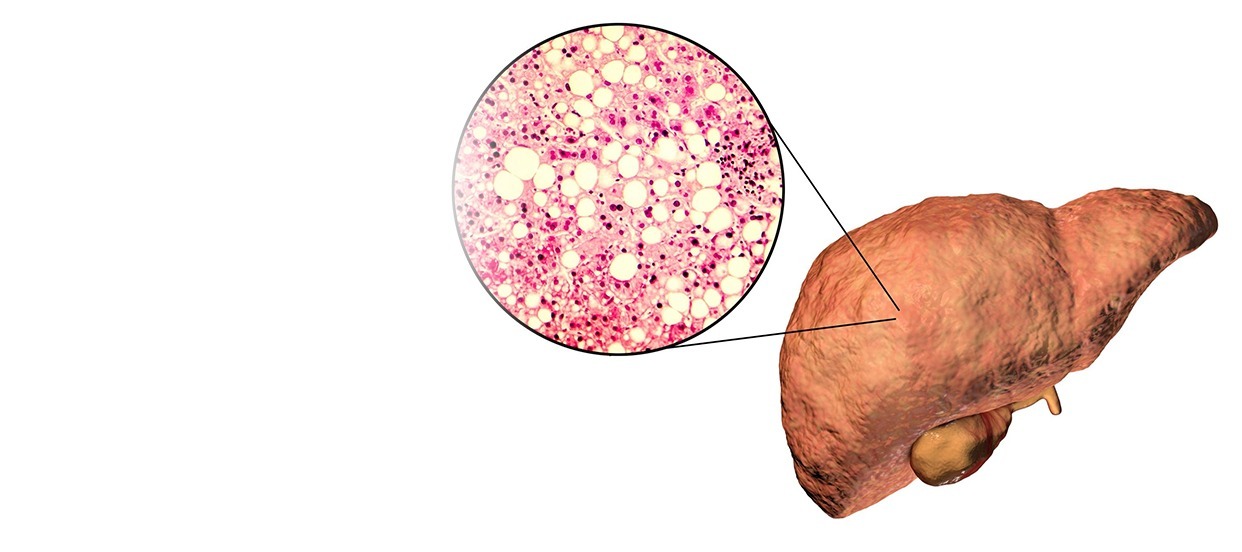
People in India, including Lucknow, often have the misconception that fatty liver happens to people who are heavy drinkers, but the truth is it also happens in non-drinkers as well.
The situation where there is a buildup of extra fat in liver cells that is not caused by alcohol is known as non-alcoholic fatty liver disease (NAFLD). NAFLD is now renamed metabolic dysfunction-associated steatotic liver disease (MASLD).
The exact cause of MASLD is still unknown but is linked to risk factors such as obesity, insulin resistance, metabolic syndrome, type 2 diabetes, high cholesterol, and high triglycerides.
Experts in Lucknow say MASLD develops over several years and you can have it without experiencing any symptoms. However, if you notice symptoms like an ache in your upper right abdomen, where your liver is; severe fatigue and weakness; a lack of appetite; a swollen belly or unexplained weight loss, contact your doctor.
MASLD, or metabolic dysfunction-associated liver disease, is the new name of NAFLD (nonalcoholic fatty liver disease).
It is a group of liver diseases that happen when your body stores excessive fat in your liver (steatotic (fatty) liver disease (SLD)). Over time, this extra fat in your liver can lead to inflammation in your liver (hepatitis).
Without treatment or necessary care, it can worsen into a condition known as MASH (metabolic dysfunction-associated steatohepatitis). MASH is an advanced form of liver disease that causes the liver to swell and become damaged, leading to significant morbidity and mortality.
Updated Nomenclature
| Previous Name | Updated Name |
| NAFLD | MASLD |
| NASH | MASH |
The exact reason is unknown, but metabolic dysfunction (a group of conditions that affect your metabolism, meaning how your body changes food into energy) may lead to MASLD.
Metabolic dysfunctions that can contribute to the development of this chronic liver condition are the following:
As per the research, there are several genetic variations that increase MASLD risk.
If unaddressed, nonalcoholic fatty liver disease can worsen into the following conditions:
Many people have no symptoms or findings on a doctor’s exam. However, many can experience the following symptoms:
Best liver experts will do certain blood tests and imaging tests (or a liver biopsy) for the exact diagnosis.
Currently, there is no single “magic pill” that can cure NAFLD; that's why the best liver experts, like Dr Abhishek Yadav, curate treatments that focus on reversing fat accumulation, reducing inflammation, and protecting the liver from further damage.
| Treatment modality | Examples | Main use | Key benefit |
| Lifestyle & weight loss | Calorie?restricted or Mediterranean diet, exercise | All MASLD, especially with obesity/T2DM | 7–10% weight loss improves fat, inflammation, fibrosis. |
| Diet pattern focus | Mediterranean, low sugar/fructose, low saturated fat | MASLD with metabolic risk factors | Better liver enzymes and metabolic profile. |
| Physical activity | 150–300 min/week moderate exercise, resistance training | All MASLD (including non?obese) | Less liver fat, better insulin sensitivity. |
| Manage comorbidities | Control T2DM, lipids, BP, obesity | MASLD with metabolic syndrome | Lowers CV and liver risk. |
| Antidiabetic with liver benefit | GLP?1 RA, tirzepatide, SGLT2 inhibitors | MASLD with T2DM/obesity | Weight loss, less steatosis and inflammation. |
| MASLD/MASH?targeted drugs | Resmetirom, high?dose semaglutide (where approved) | Non?cirrhotic MASH with fibrosis ≥F2 | Histologic improvement, less liver fat. |
| Adjunct drugs (off?label) | Pioglitazone, Vitamin E (selected cases) | Selected MASH | Some histologic improvement. |
| Bariatric surgery | Sleeve, bypass, banding | Severe obesity with MASLD | Major weight loss, fibrosis regression. |
| Endoscopic bariatric | Balloon, endoscopic sleeve gastroplasty | Obese, not fit for surgery | Weight loss, better enzymes. |
| Advanced disease care | Cirrhosis protocols, HCC screening, transplant work?up | MASLD cirrhosis | Manages complications and transplant option. |
| Alcohol/drug counselling | Avoid alcohol and hepatotoxins; vaccinate | All MASLD | Prevents extra liver damage. |
The full assessment of how coffee affects liver health still needs deeper analysis. However, it is noted that coffee contains antioxidants and other compounds that all play a significant role in lowering liver inflammation.
Black coffee stops the function of adenosine receptors, which are linked to liver injury, regeneration and fibrosis; thereby, coffee may slow the progression of fibrosis or scarring in the liver.
How Much Black Coffee to Consume?
Some studies suggest not to consume more than 400 milligrams of caffeine a day (one cup of brewed coffee contains 100-200 mg of caffeine) in order to prevent potential harm to your overall health.
Nonalcoholic Fatty Liver ICD-10
NAFLD is coded in ICD-10 as K76.0. This code is used for how this diagnosis is recorded, reported, and billed across healthcare systems.
For NASH, the ICD-10 code is K75.81.
Alcoholic vs Nonalcoholic Fatty Liver
Explore this table to know the basic difference:
| Feature | Alcoholic fatty liver | Nonalcoholic fatty liver (NAFLD) |
| Main cause | Heavy alcohol use | Obesity, diabetes, metabolic syndrome |
| Alcohol intake | High | Minimal or none |
| Typical patient | Chronic drinker | Overweight, insulin?resistant |
| Mechanism | Direct alcohol liver toxicity | Fat buildup from metabolic imbalance |
| Key treatment | Complete alcohol abstinence | Weight loss, diet, exercise |
| Reversibility early | Yes, if stop alcohol | Yes, with lifestyle change |
Both alcoholics and non-alcoholics can have fatty liver; therefore, following liver-healthy habits becomes crucial.
Here are the healthy tips that you can follow:
If you still experience any symptoms, do not ignore them; contact a reliable doctor like Dr Abhishek Yadav for effective Non-Alcoholic Fatty Liver Treatment.
Dr Abhishek Yadav is the best liver specialist for alcoholic or non-alcoholic fatty liver treatment. The transformative recovery journey of Shailendra Chavanis the testament of his effective treatment. You can watch the patient testimonial here.
Why Consult Dr. Abhishek Yadav?
Because of the following benefits:
Consultant & Director - HPB Surgery & Liver Transplantation
Meet the doctor