

 Medically Reviewed
Written by Pooja Rawat, Medical Content Writer
Posted On: 01 Jan 1970, Updated On: 01 Jan 1970
Once you have recovered from your transplant surgery, it is important to eat well to keep your new organ healthy and manage the longer-term side effects of your medications. A healthy diet rich in vitamins, minerals, and protein is essential for post-liver transplant recovery and wound repair. Maintaining high energy levels is crucial, especially with a high-protein diet. If you're not unintentionally losing weight, your wounds are healing properly, and you have a normal appetite, then it's time to start eating well and getting more physically active.
You can lower your risk of these health complications by making the lifestyle choices outlined in this article, such as following a liver transplant recovery diet, getting enough exercise, and maintaining a healthy weight.
Continuous intake of transplant medications raises the risk of obesity, diabetes, heart disease, bone loss, and elevated potassium levels. Dietary adjustments can better manage these disorders. The following information can help you choose the best diet after a liver transplant:
Several factors can contribute to weight gain after a liver transplant:
The following tips can help prevent excessive weight gain due to excess eating:
Also Read : Liver Health Tips: Understanding Gender Differences In Liver Disease Symptoms
Elevated blood cholesterol levels can heighten the risk of cardiovascular disease. Certain immunosuppressive drugs used in transplantation may elevate your cholesterol levels.
You can effectively manage your blood cholesterol levels by:
Certain steroid medications are advised after transplant for reducing inflammation, which can cause high blood sugar levels. Eating a balanced diet and cutting back on meals high in carbs (sugar) will help you deal with this side effect. Cut back on sugar and sweets, like:
A Registered Dietitian can assist you in a personalised way in making dietary adjustments if you develop diabetes or high blood sugar.
You run the risk of bone loss (osteoporosis) and fractures while using steroid medications after a transplant. Make sure you're getting enough vitamin D and calcium every day to help prevent this. The absorption of dietary calcium by the intestines requires vitamin D. Normally, sunlight is our primary source of vitamin D, but after your transplant, you should avoid direct sunlight as much as possible. It is quite challenging to acquire sufficient vitamin D from food due to the scarcity of dietary sources.
It is advised to take supplements so that you do not develop a deficiency. Your doctor may prescribe a higher dosage, either alone or in combination with calcium, to prevent or treat a deficiency. Consult your doctor if you are uncertain about your current vitamin D prescription. Your doctor might advise vitamin D testing before advising supplements to prevent renal stones and vascular calcification due to excessive amounts of vitamin D intake.
The potassium level in your blood may rise due to certain transplant medications. This is a very serious concern. If you have been told to avoid foods high in potassium, here are some:
Before choosing to avoid these foods, talk to your transplant team about what is unsafe for you and how much of a change you should make.
Achieving a healthy diet hinges on striking the correct balance. Let’s know what you should include and exclude from your post-liver transplant diet:
| Eat Less | Eat More |
| Processed meats (bacon, ham, sausages, salami, hot dogs) | Fresh fruits and vegetables (aim for at least 5 portions daily) |
| Red meat (beef, lamb, pork) in large quantities | Poultry, fish, eggs, beans, lentils, and pulses |
| Foods high in salt (ready meals, takeaways, packaged snacks) | Fresh home-cooked meals with herbs, spices, lemon, and garlic |
| Saturated fats (butter, ghee, cream, hard cheese) | Healthy fats like olive oil, rapeseed oil, nuts, and seeds |
| Trans fats (pastries, cakes, biscuits, fried and takeaway foods) | Oily fish (salmon, sardines, mackerel) at least once a week |
| Sugary and high-fat snacks (cakes, biscuits, crisps) | Whole fruits, vegetables, unsalted nuts, and seeds |
| Full-fat dairy in excess | Low-fat or fortified dairy and plant-based alternatives |
| Highly processed convenience foods | Whole grains (wholemeal bread, brown rice, oats) |
| Excessive salt added at the table | Fibre-rich foods like oats, beans, vegetables, and fruits |
| High-fat spreads and hydrogenated oils | Calcium-rich foods such as milk, yoghurt, tofu, and leafy greens |
For a more personalised healthy eating plan after your liver transplant, you must connect with the dietitian who is part of your transplant team.
To prevent organ rejection, patients require continuous immunosuppressants after the liver transplant. These medications assist in suppressing immune system activity, which is important for preventing rejection of your new liver. The continuous intake of immunosuppressants increases your risk of osteoporosis (brittle bones), certain cancers, and heart & vascular disorders. Staying in constant touch with your nutritionist for the best diet after a liver transplant can help you combat such complications by strengthening your body’s ability to maintain an overall healthy status.
Get personalized post-liver transplant diet and nutrition tips for faster recovery from Dr. Abhishek Yadav, a top liver transplant surgeon in Lucknow. Book your consultation now!
Q1: Can I follow a normal diet after a liver transplant?
A: A gradual transition is required to start a normal, balanced diet after a liver transplant. The transition may take a few weeks after transplant, depending upon the speed of recovery.
Q2: How does a high-protein diet help after a liver transplant?
A: Protein boosts wound healing, muscle rebuilding, immune strength, and overall recovery after transplant surgery.
Q3: What supplements should I take after a liver transplant?
A: Mostly calcium and vitamin D combination supplements are recommended to prevent brittle bones, but they should only be taken under medical supervision to prevent complications.
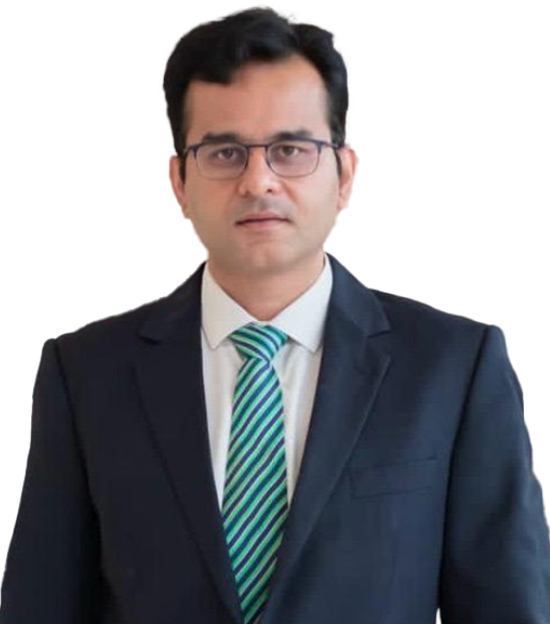
Consultant & Director - HPB Surgery & Liver Transplantation
Meet the doctor