

 Medically Reviewed
Written by Pooja Rawat, Medical Content Writer
Posted On: 01 Jan 1970, Updated On: 01 Jan 1970
Recovering from liver transplant or extensive hepatic surgery is a life-changing process that requires intensified care, watchfulness, and lifestyle modifications. Although surgery is the crucial step, the post-op process is just as—and sometimes more—significant in dictating long-term results. This blog discusses what patients and their caregivers should know about post-surgery care for liver transplant and hepatic surgery patients, providing in-depth information about daily habits, diabetes and other complications to be wary of, and strategies to aid recovery.
Liver transplant and hepatic surgery (partial hepatectomy or resection of liver tumors) cause immense tampering with one of the most vital organs in the human body.The liver, having been operated upon, begins to regenerate and heal. This is the most crucial phase and requires the body's immune system, surgical precision, and the degree of supportive care to cooperate with each other.
Whether you’re recovering from a full liver transplant or a hepatic resection, the first 6–12 months post-surgery are the most critical. During this time, complications like infections, rejection, bleeding, and bile leakage are most likely to occur, and medical follow-up is frequent and intense.
Patients are taken directly from the operating room to the ICU (Intensive Care Unit) shortly after surgery. In the ICU, vital signs, liver function tests, and evidence of complications are closely monitored around the clock. Liver transplant patients are started on immunosuppressive drugs right away to avoid organ rejection.
The patients typically stay in the hospital for 10 to 21 days, depending on the type of surgery, other underlying medical conditions, and how they respond to the treatment. Post-operative recovery following liver transplant is generally accompanied by longer inpatient hospitalization and ICU than with partial liver surgery.
The medical staff and nurses offer support with breathing exercises, wound care, medication management, and early mobilization, all aimed at triggering recovery.
In the case of follow-up for liver transplant, immunosuppressants such as tacrolimus, cyclosporine, or steroids are prescribed to prevent the immune system from rejecting the transplanted liver. They are taken for a lifetime but the dosage is tapered gradually according to laboratory tests.
Acute or chronic rejection may occur. Symptoms of rejection are:
Routine liver function tests (LFTs) provide the optimum early warning, allowing physicians to detect issues prior to symptom onset. Medication timing must be adhered to rigidly in transplant recovery.
Nutrition is also essential to recovery from liver surgery. Patients will often have a decreased appetite and nausea in the first weeks. A high-protein, low-sodium diet is usually recommended to help with tissue healing and to minimize water retention.
Some of the most important dietary guidelines are:
Hepatic surgery patients may not require dietary changes in their lifetime, but patients who have undergone transplantation must follow food safety precautions strictly to avoid infection because their immune system is suppressed.
Appropriate post-surgery care for patients undergoing hepatic surgery includes careful attention to the operative site. The incision in the abdomen should be kept clean and dry so that infections do not set in. Showering may be permitted after some time, but bathing in bathtubs is generally avoided for a couple of weeks.
Dressings are normally taken off on the first week, and the patient is educated on how to watch for redness, discharge, swelling, or fever, indications of infection that should initiate an urgent call to the healthcare team.
Stay away from heavy lifting or strenuous physical exertion for at least 6–8 weeks. Abdominal muscle recovery is a slow process, and overexertion may lead to hernias or wound dehiscence.
In addition to immunosuppressants, patients may be given:
One of the most challenging parts of taking care of a liver transplant is managing the medicine burden. Side effects like rising blood sugar, hypertension, or renal impairment need to be kept in check.
A medication chart taken daily or reminders on a cell phone are good assistance to prevent anything from being forgotten. The caregivers need to know about possible drug interaction and report any over-the-counter medicines or supplements the patient is taking to the transplant team.
Due to the immunosuppressive therapy that is employed in liver transplant post-operative care, infection prevention is a lifelong process. Patients have to adopt:
Vaccinations (non-live) can be planned after six months following transplant. Hepatitis A and B, flu, and pneumococcal vaccines are frequently advised, but always with a consultation with the transplant team.
Although rest is essential, recovery from liver surgery is aided by early ambulation. Ambulation between the hallway and floor prevents blood clotting, encourages lung function, and gets the bowels moving after surgery.
Most patients are urged to return to light physical activities in 6–8 weeks. Heavy lifting, crunches, and contact sports must be avoided for at least three months.
Most transplant hospitals have post-surgery rehabilitation programs or physiotherapy sessions only for liver patients. These speed up recovery and enhance long-term outcomes by preventing muscle wasting.
Postoperative care of liver transplant and hepatic surgery patients is a continuous process that involves medical attentiveness, patient compliance, and psychological resilience. Recovery of the liver is not the sole end but also the patient's quality of life, minimizing complications, and sustained well-being.
With a proper mix of follow-up care by physicians, changes in lifestyle, and psychosocial therapy, patients can have full, healthy, productive lives. Each of these steps, from taking medications to getting back to the daily routines, is a step along a healing path, and every step is a step towards making that path successful.
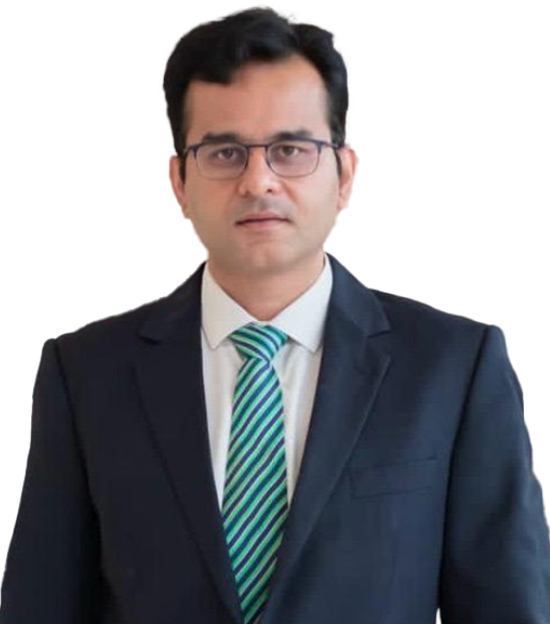
Consultant & Director - HPB Surgery & Liver Transplantation
Meet the doctor